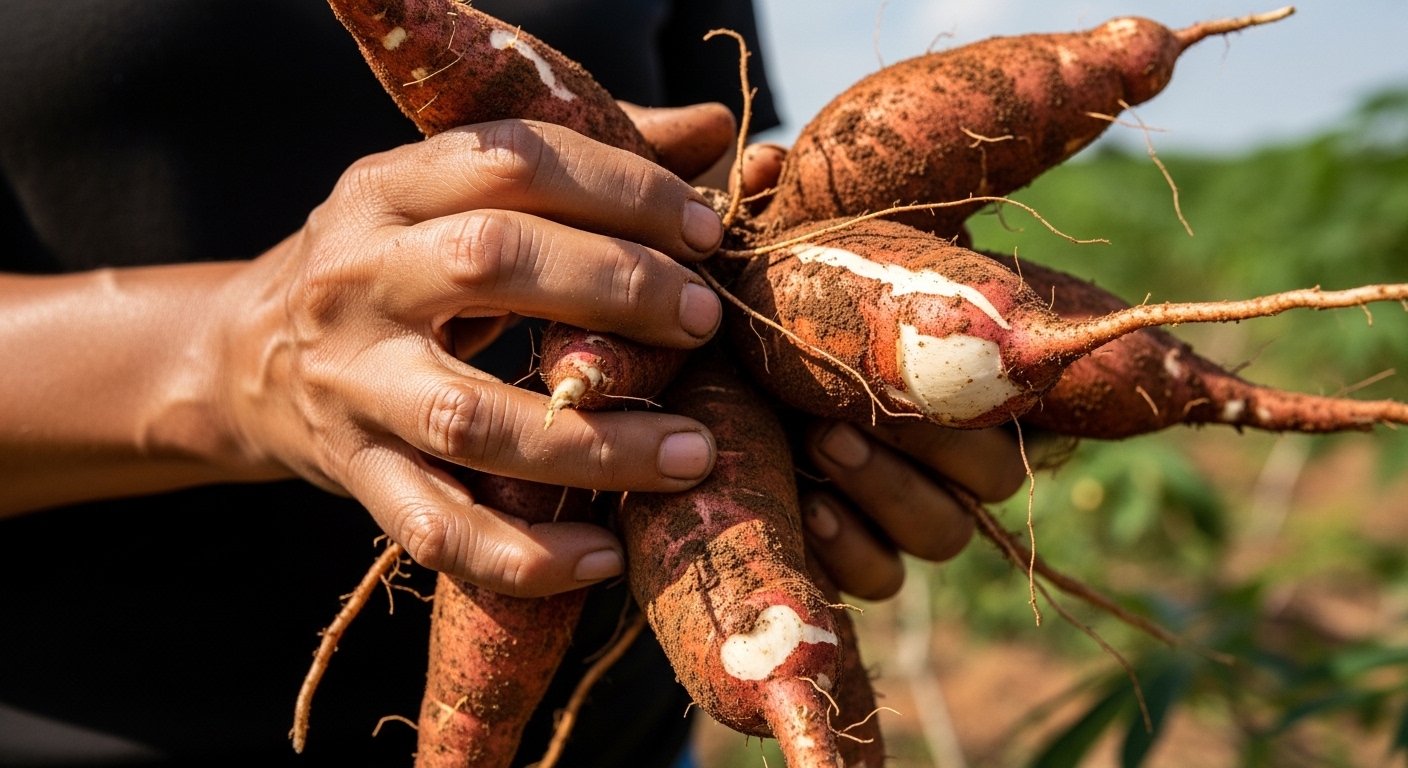
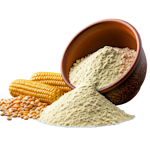
Nigeria is the world’s largest cassava producer, harvesting over 62.7 million metric tons of fresh cassava in 2023 – roughly 20% of global output. Over 14 million Nigerian smallholder farmers (46% of all farming households) grow cassava across 30% of the country’s cultivated land. This year-round, resilient crop thrives in Nigeria’s climate, offering a stable supply of raw material. Processing those abundant tubers into dried chips – thin slices of peeled, unfermented cassava dried to ≤10% moisture – creates a storable, exportable commodity. In chip form, cassava becomes an input for animal feed, biofuel (ethanol), citric acid, starch, and other industrial uses.
Global Demand for Cassava Chips
China is by far the largest market for cassava chips, using them for ethanol and animal feed. Chinese policy shifts in the mid-2000s created an import gap of about 1.3 million tonnes of chips for industrial processing. Although Chinese imports have recently dipped (China imported 5.61 Mt of chips in 2023, mostly from Thailand and Vietnam), it remains the dominant buyer. Europe also presents strong demand: Dutch, French, Italian, British and German feed manufacturers import cassava chips as a high-starch, gluten-free substitute in livestock rations. Smaller markets include biofuel producers and food companies in North America, and neighboring African countries. This diverse global demand – on the order of $1.5+ billion per year – offers significant opportunities for Nigerian exporters.
Nigeria’s Production & Processing Capacity
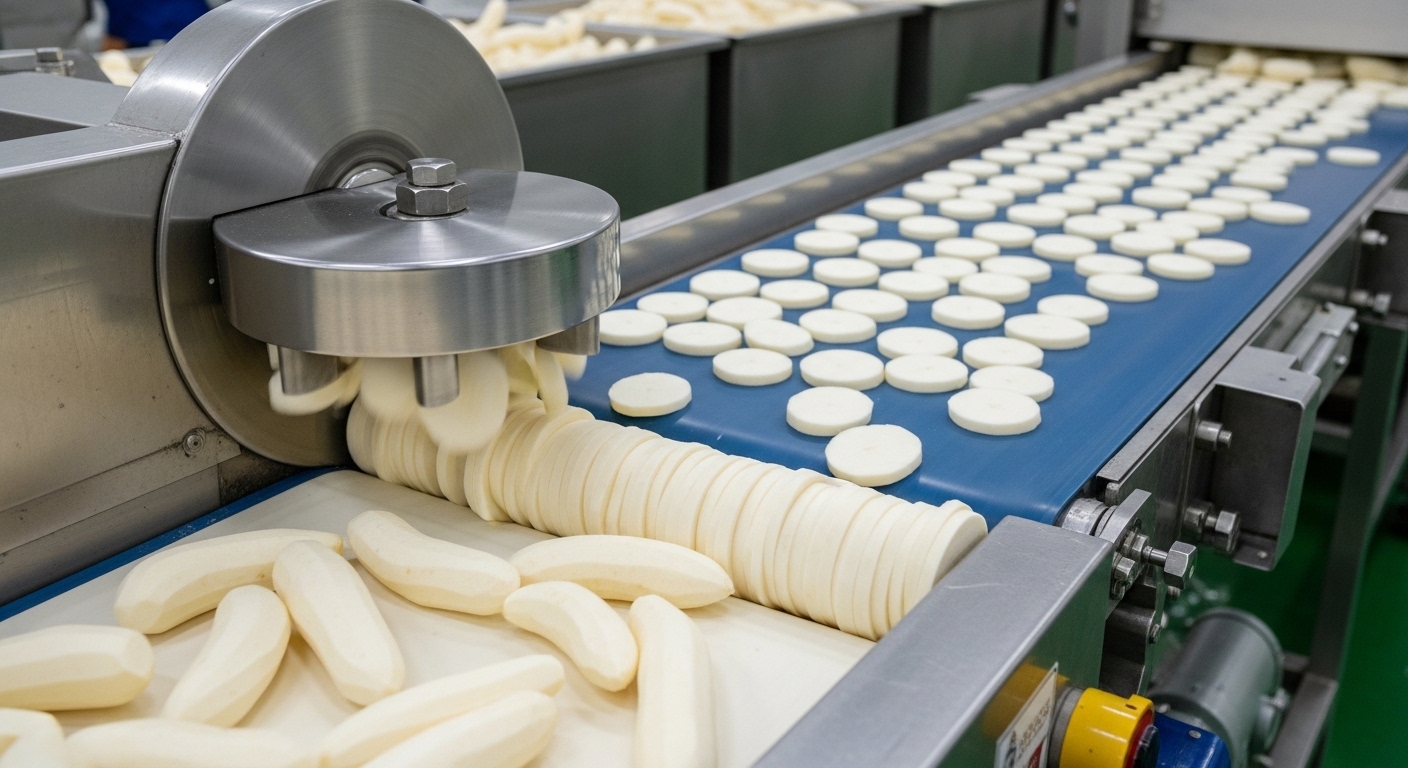
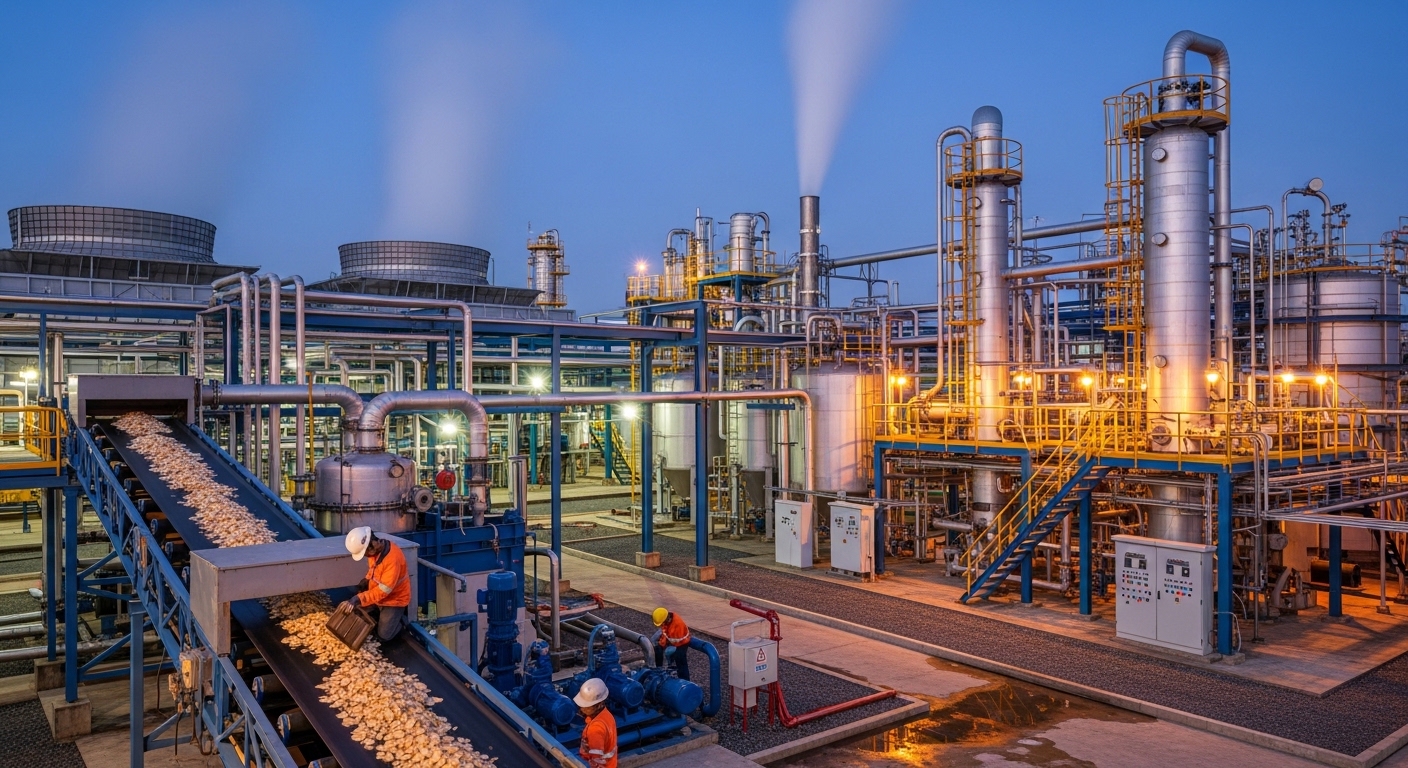
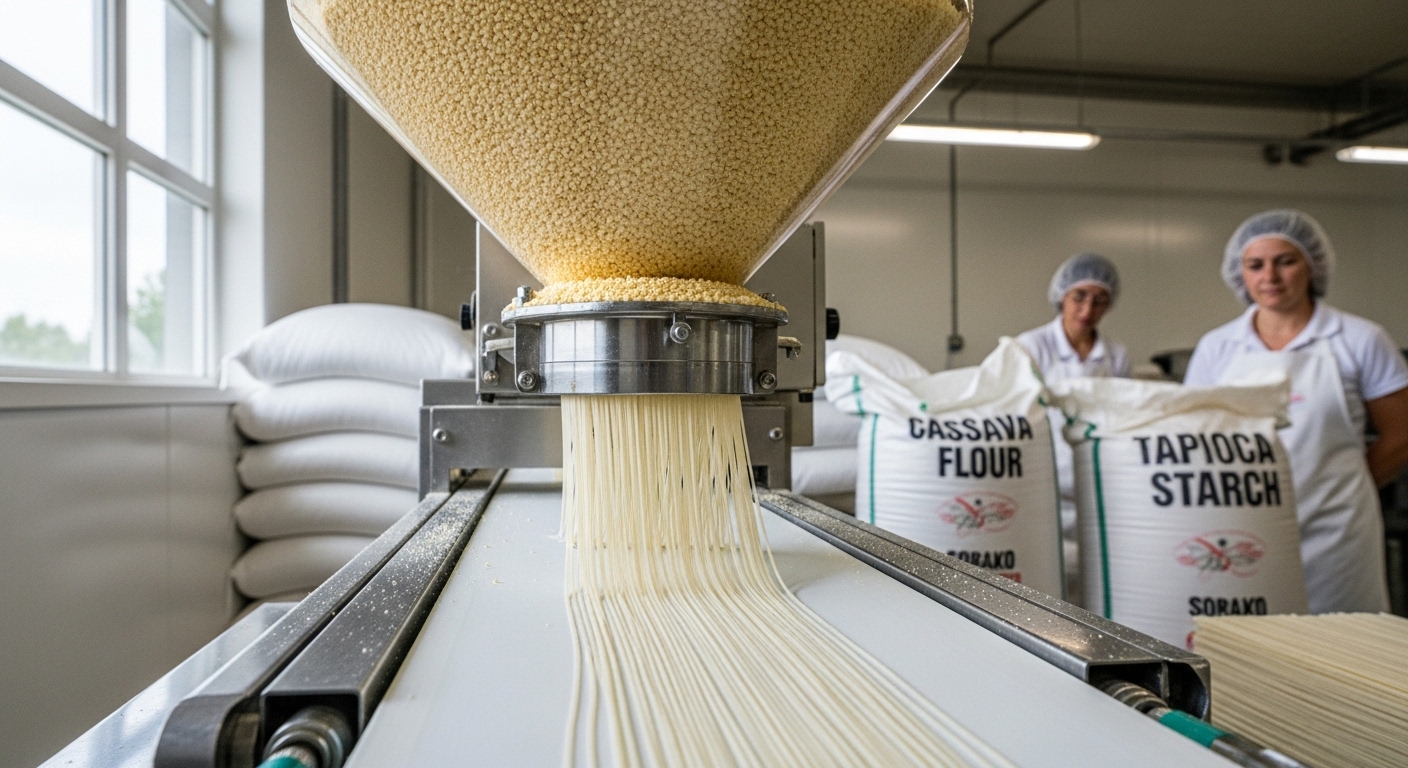
Nigeria has invested heavily in cassava processing. The government’s Agricultural Transformation Agenda and Bank-financed programs have supported 18 high-tech processing plants, each capable of converting roughly 1.3 Mt of fresh cassava per year into flour and chips. Traditional processing (peeling, slicing 3–5 mm strips, and sun- or charcoal-drying) is widespread, especially in northern states where arid conditions favor rapid drying. Many producers now use mechanical slicers and flash dryers to ensure uniform chip thickness and moisture (~10%). The result is a clean, white chip that meets strict export specs: ≤10% moisture, ≤3% ash, ≤3% fiber, ≤10 mg/kg hydrocyanic acid, and ≥75% starch. Modern plants apply Good Manufacturing Practices (HACCP) and ISO standards, and chips often carry SON (Standards Organisation of Nigeria) certification. This ensures they are low in contaminants and comply with global feed/food safety regulations.
Export Market & Opportunities
Despite its massive production, Nigeria’s actual chip exports have been modest – only a few dozen tonnes officially (e.g. 33 t in 2021). However, government and industry reports highlight enormous potential. In 2012 Nigeria secured a contract to supply 2.2 million tonnes of dried chips to China (valued ~ 272 Million USD). Official analysis notes “Chinese demand for dried cassava is outstripping supply,” implying room for Nigeria to export ≥2.2 Million tones/year. China’s buyers have even indicated they would pay a premium – up to $210/ton CIF – for Nigerian chips.
Major Nigerian exporters are targeting these markets. The Nigerian Export Promotion Council (NEPC) has set up an Export Trade House in China and registered dozens of cassava chip processors under China’s GACC import system. Other export markets include feed mills in Southeast Asia, Turkey, and South Korea, as well as processors in the U.S. and EU. Pricing remains competitive: in late 2024 Vietnamese chips were quoted around $245–$295/ton FOB for Asian customers. Nigerian chips can match or beat these prices due to low production costs (sun-dried in the northwest) and high starch yield.
Quality Standards & Certifications
Nigerian exporters rigorously meet export-quality norms. SON/NAFDAC and IITA guidelines are followed for chip quality. Packaging is done in new polypropylene sacks or food-grade bulk containers, with inner liners to prevent moisture and pest ingress. Labels include product name, net weight, origin, and batch/expiry per SONCAP labelling rules. Many processors hold ISO 9001/HACCP certification, assuring buyers of food-grade handling. Aflatoxin testing shows Nigerian chips consistently below international limits. Overall, Nigerian chips meet or exceed the standards demanded by global feed and industrial users.
Logistics & Export Facilitation
Major chip exporters ship via Nigeria’s Atlantic ports (Lagos/Apapa, Onne, Port Harcourt). The inland transport network (trucks and barges) is growing under federal development projects. Typical routes to Asia and Europe are via the Suez Canal or Cape of Good Hope. Transit times range 3–6 weeks, with competitive ocean freight rates. Exporters benefit from Nigerian export incentives (Export Expansion Grant, Export Proceeds Retention) and NEPC support programs. NEPC actively assists cassava exporters with market intelligence and trade promotion. Notably, NEPC identified China (3rd-largest destination, $375 M exports in 2022) and other top markets, and leverages bilateral agreements to smooth customs clearance.
Why Importers Should Choose Nigerian Cassava Chips
Abundant, reliable supply: Nigeria’s massive harvest and year-round production ensure consistent delivery. Chips can be stockpiled off-season.
Cost-competitive: Lower labor/land costs translate to chips ~30–50% cheaper than corn-based alternatives. High-starch yields (60–75%) maximize usable content per ton.
Quality consistency: Standardized processing yields uniform, premium-grade chips (white, clean, specified moisture). Buyers report chips that meet exact specs.
Government support: Exporters enjoy export financing, trade house facilitation in China, and guaranteed market entry help. NEPC/GACC registrations mean a streamlined route into China and other markets.
Ethical sourcing: Cassava farming in Nigeria is sustainable (low-input crop) and provides social benefits (millions of small farmers, many women). Importers diversify their supply base beyond Asia.
In summary, Nigerian dried cassava chips are a reliable, high-starch feedstock offered at competitive prices – backed by government and industry support. For any animal-feed producer, ethanol distiller, or industrial starch user seeking to diversify or expand raw-material sources, Nigeria is an ideal supplier. Nigerian exporters stand ready with quality-certified chips, modern logistics, and attractive deals. Global importers are encouraged to engage with NEPC and Nigerian suppliers to tap into this growing opportunity.
Adalidda supplies dried cassava chips to importers and manufacturers worldwide. We offer shipment sizes starting at 25,000 MT in bulk for safe, cost-efficient transport. For competitive quotations, specifications (COA, spec sheet) and long-term supply agreements, please contact our sales team.
Bibliography
BusinessDay Nigeria (2025). “Nigeria’s largest cassava status dented with 2% global processing share.” June 30, 2025. (News article citing FAO data on production)
IITA/SON (2005). “Standards for Cassava Products and Guidelines for Export.” Ibadan, Nigeria. (Export specifications for cassava chips)
Nigerian Export Promotion Council (NEPC) (2023). “NEPC launches Export Trade House in China.” April 20, 2023. (Press release noting registration of cassava chips under China import scheme)
CGIAR RTB Program (2012). “Country to Export US$272 Million Cassava Chips to China.” August 2012[. (Announced Nigeria’s export contract for 2.2 Mt chips)
Vietnam Agriculture News (Feb 2026). “The contradictory picture in cassava exports.” Feb 12, 2026. (Chinese customs data on chip imports and prices)
IITA/Gates Open Research (2019). “Market Opportunities for Cassava in Nigeria.” (FAO/Gates-funded study). (Analysis of Chinese market demand and export potential)
WITS/UN Comtrade (2022). “Nigeria exports of Manioc, fresh or dried (HS071410), 2021.” (World Bank trade database). (Recorded Nigeria’s actual chip exports)
Nigeria's largest cassava status dented with 2% global processing share - Businessday NG
https://businessday.ng/agriculture/article/nigerias-largest-cassava-status-dented-with-2-global-processing-share/
(PDF) Standards for Cassava Products and Guidelines for Export
https://www.researchgate.net/publication/265794625_Standards_for_Cassava_Products_and_Guidelines_for_Export
Overview of Cassava Chips In Nigeria | by Agric padi | Medium
https://medium.com/@agricpadi/overview-of-cassava-chips-in-nigeria-4639d5ca6877
The contradictory picture in cassava exports
https://van.nongnghiepmoitruong.vn/the-contradictory-picture-in-cassava-exports-d408026.html
dr Adewumi adeshina | Nigeria: Vision in Progress
https://nigeriavipblog.wordpress.com/tag/dr-adewumi-adeshina/
gatesopenresearch.org
https://gatesopenresearch.org/documents/3-924/pdf
Nigeria Manioc, fresh or dried exports by country | 2021 | Data
https://wits.worldbank.org/trade/comtrade/en/country/NGA/year/2021/tradeflow/Exports/partner/ALL/product/071410
Nigeria: Country to Export U.S.$272 Million Worth of Cassava Chips to China - CGIAR Research Program on Roots, Tubers and Bananas
https://www.rtb.cgiar.org/nigeria-country-to-export-u-s-272-million-worth-of-cassava-chips-to-china/
NEPC launches Export Trade House in China - NEPC
https://nepc.gov.ng/blog/2023/04/20/nepc-launches-export-trade-house-in-china/
Adalidda
Mrs. Susa Taing
General Manager
WhatsApp/Telegram: +85569247974
Email: info@adalidda.com